
How to Create Yacht Contracts That Keep Deals Moving
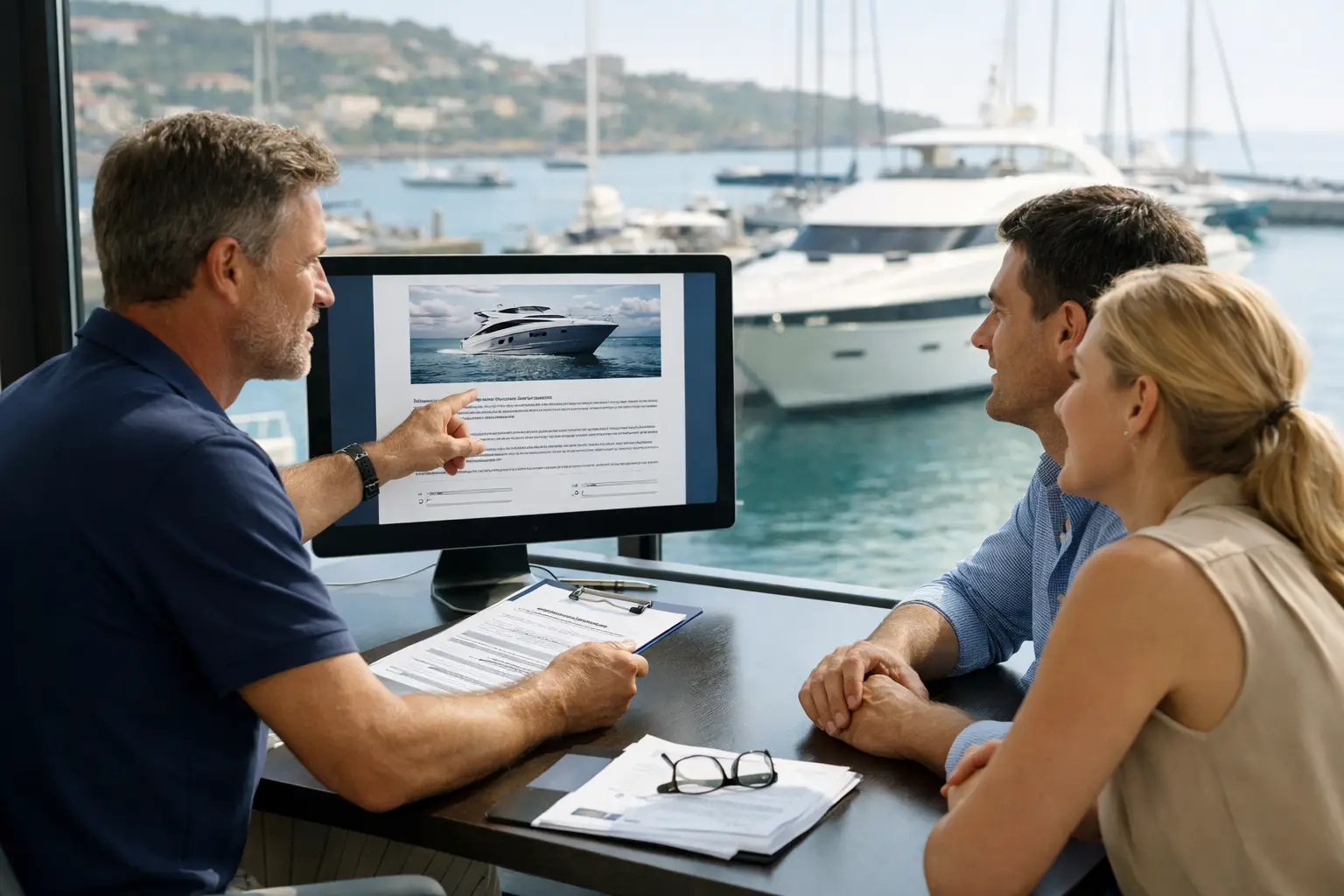
A buyer has found the right boat, the offer is taking shape, and both sides want momentum. This is where knowing how to create yacht contracts becomes a commercial skill, not just an administrative task. A clear, complete agreement helps everyone understand what is being bought, what happens next, and which details still need to be resolved before closing.
For a yacht broker, the goal is not to write legal language from scratch. It is to gather accurate deal information, use an approved contract format, present the terms cleanly, and keep every version tied to the right vessel and client. Get that workflow right and you spend less time chasing documents and more time moving the transaction forward.
Start With an Approved Yacht Contract Template
The contract should begin with a template that fits the transaction and the parties involved. A brokerage may use different approved forms for a listing agreement, purchase agreement, deposit receipt, bill of sale, charter agreement, or co-brokerage arrangement. The right document depends on the type of deal, where the vessel is located, the governing law selected by the parties, and the customs of the market.
Do not treat a template as a fill-in-the-blank shortcut that needs no review. It is the framework for the deal, but each transaction has facts that must be entered correctly. Keep approved templates centrally controlled so brokers are not pulling old files from desktop folders or editing copies with unknown changes.
Have qualified legal counsel review the forms your business uses and advise on when a transaction needs additional input. A contract workflow can make document preparation faster, but it does not replace legal advice.
Build the Contract From the Boat Record
The vessel description is the foundation of a yacht sales contract. If it is incomplete or inconsistent with the listing, it creates avoidable questions later. Pull the core information from the live boat record rather than typing it again from memory or copying it from a PDF.
Include the vessel's name, manufacturer, model, year, hull identification number, registration or documentation details where applicable, location, and agreed purchase price. The description should also identify what is included in the sale. Tenders, trailers, loose equipment, electronics, personal effects, and excluded items are common sources of confusion when they are left vague.
This is one reason a boat-first system is useful. When the listing, photos, specifications, buyer activity, and documents all sit around the same vessel record, the broker is less likely to use an outdated price or a mismatched hull number. If a listing has been updated across multiple sales channels, the contract should reflect the current deal data, not an old listing export.
Confirm the Seller's Details Before Sending
Verify the legal seller name and signing authority before the agreement goes out. The owner shown in a listing is not always the legal entity that will sell the vessel. A company-owned yacht, trust-owned vessel, estate sale, or shared ownership arrangement may require additional documentation and different signatories.
The same care applies to the buyer. Record the full legal name, current contact details, and the entity name if the buyer plans to purchase through a company. It is far easier to correct this before signatures than after a deposit is received.
Make the Commercial Terms Specific
The strongest yacht contracts make the business terms easy to find and hard to misunderstand. Avoid relying on email threads, text messages, or verbal assumptions to explain essential points. Put the agreed terms in the document and make sure the latest version is the one every party sees.
A sales agreement will commonly address the purchase price, deposit amount, deposit holder, payment timing, acceptance period, closing date or closing process, delivery location, and allocation of known costs. It may also cover commission arrangements, taxes, registration expenses, documentation fees, transport, insurance, and any other deal-specific expenses.
The details matter because yacht transactions are rarely identical. A local brokerage sale may close quickly with a straightforward delivery. An international transaction may involve currency considerations, export documents, a delivery passage, a flag change, or a buyer entity that is still being formed. The contract should reflect the actual transaction, not force every deal into the same assumptions.
If a buyer wants to submit an offer below asking price with an aggressive acceptance deadline, state both figures and times clearly. If the seller agrees to leave a tender and exclude artwork from the salon, list both. Precision protects the relationship as much as the paperwork.
Define Conditions and Deadlines Clearly
Many yacht purchases are subject to conditions such as survey, sea trial, financing, documentation review, insurance approval, or the sale of another asset. These conditions should be described in a way that tells each party what must happen, who is responsible, and when the decision is due.
A vague note saying subject to survey does not provide much operational direction. The transaction team needs to know the inspection window, whether a sea trial is planned, how notice is given, and what happens if the buyer requests an adjustment or decides not to proceed. Your approved form and legal guidance should shape this language.
As the broker, turn each contractual deadline into a working task. Schedule the survey, place the sea trial on the calendar, assign follow-up ownership, and record conversations against the buyer and vessel. A deadline hidden in a signed PDF is easy to miss. A deadline visible in the deal workflow is something the team can manage.
Keep Revisions Under Control
Contract version confusion is one of the fastest ways to slow a deal. The buyer may be reviewing one file while the seller is commenting on another, especially when documents travel through email attachments with names like Final, Final 2, and Final Revised.
Use a consistent naming convention that identifies the vessel, transaction stage, date, and version. More importantly, keep the current draft in one place and record what changed. When a counteroffer adjusts the price, closing date, included equipment, or condition deadline, the revised document should be clearly marked and connected to the right deal record.
This discipline is especially valuable in co-brokerage. Both professionals need access to the same current facts without exposing private information that is not relevant to the transaction. A shared process reduces duplicate follow-ups and prevents a buyer from receiving conflicting updates.
Prepare for Signatures and the Closing File
Before requesting signatures, do one practical read-through. Confirm the vessel information matches the latest record, the party names are correct, every blank is completed or intentionally marked, the dates work together, and all attachments referenced in the agreement are present. Check that the commission and deposit instructions align with the deal your team has approved.
Then make the signing path simple. Tell each party which document they are receiving, what they need to review, who needs to sign, and the deadline for returning it. Busy clients respond better to a clear next step than to a large attachment with no context.
After execution, save the signed agreement and related records together. That may include deposit confirmations, amendments, survey reports, correspondence, invoices, closing statements, transfer documents, and delivery acknowledgments. A clean digital file helps the brokerage serve the client after closing and makes future questions far easier to answer.
Use Software to Remove Re-Entry, Not Judgment
Contract generation works best when it is connected to the rest of the brokerage workflow. In EasyMLS, brokers can generate sales contracts and invoices from the boat record, using the listing and contact data already in the system. That means less retyping and fewer chances for the contract to conflict with the active listing.
Automation should handle repeatable work: filling known boat and client details, storing documents, creating follow-up tasks, and keeping the transaction connected to the calendar and CRM. The broker still needs to confirm the commercial terms, recognize unusual circumstances, and make sure the document is appropriate for the deal.
That distinction matters. A contract tool should make the routine parts faster while giving the broker more time to manage negotiations, coordinate survey dates, and keep both sides informed.
Create a Repeatable Contract Workflow
The best process is one the whole team can follow under pressure. Start with a current boat record and verified client details. Select the approved agreement for the transaction, complete the commercial terms and conditions, review the document internally where needed, and send it through the agreed signing process. Once signed, create tasks for every deadline and keep all related records against the deal.
For brokerage owners, review a sample of completed contracts periodically. Look for recurring errors such as missing equipment schedules, inconsistent company names, unclear closing dates, or documents saved outside the CRM. Those patterns usually point to a process issue that can be fixed with a better template, clearer intake questions, or a more disciplined workflow.
A yacht contract should not be the point where a well-managed deal turns into a document chase. Build it from accurate boat data, make the terms specific, keep revisions visible, and give every deadline an owner. The result is a more professional experience for buyers and sellers, with fewer administrative gaps between offer and closing.