
How to Publish Boat Inventory Without Repeat Entry
By Lionel Nicolai, Founder & CEO, EasyMLS
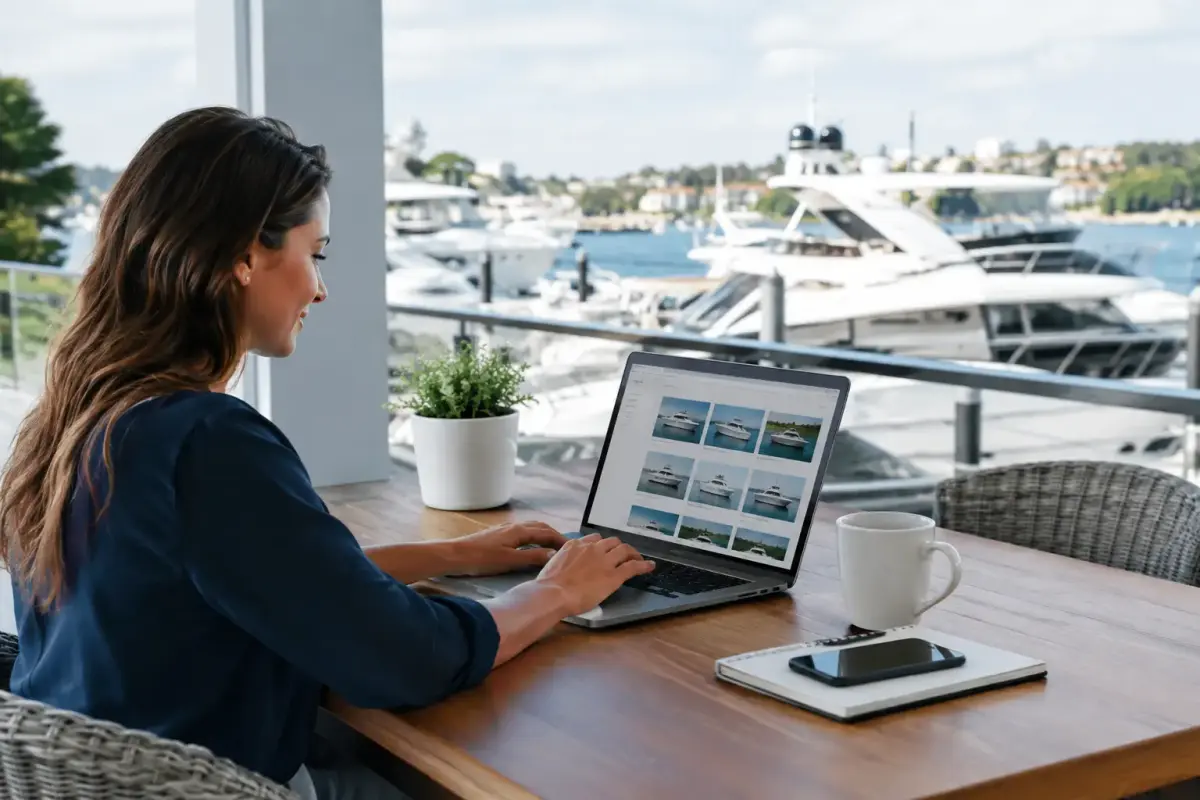
A price change should take one update, not an afternoon of logging into separate portals. Yet that is still how many brokerages publish boat inventory: the same specification, photos, equipment list, and contact details are entered again and again. The result is wasted selling time, inconsistent listings, and a real chance that a buyer sees outdated information.
For a brokerage managing a handful of boats, this may feel manageable. For a dealer, charter company, or team with active inventory across several markets, it quickly becomes a daily operational problem. The better approach is simple: maintain one trusted boat record, then distribute it wherever qualified buyers and partner brokers search.
Why publishing boat inventory is more than a marketing task
A listing is not just an advertisement. It is the operational center of a transaction. It holds the vessel details a buyer will compare, the photos that create the first impression, the asking price that shapes every conversation, and the availability status that determines whether a lead is worth pursuing.
When that information lives in several disconnected places, every update becomes a risk. A reduced price appears on one channel but not another. A boat marked sold remains visible somewhere else. A new engine-service record is added to the brokerage website but never reaches a partner portal. None of these errors are dramatic on their own, but they make a brokerage look disorganized at the exact moment a buyer is deciding whom to call.
Centralized publishing protects the quality of the listing and the broker's time. It also gives the team a clearer view of what is actually working. When every channel starts with the same core record, there is less uncertainty about which version of a boat a prospect has seen.
Start with a complete source listing
The fastest way to publish is not to cut corners on the boat record. It is to build the record correctly once, so it can travel without needing repair at every destination.
Begin with the fundamentals: manufacturer, model, year, length, location, asking price, vessel type, condition, and current status. Then add the details that answer the questions serious buyers ask before they arrange a viewing. For a motoryacht, that may mean engine hours, generator hours, draft, cruising speed, recent upgrades, and service history. For a sailing yacht, buyers may care more about rigging age, sail inventory, keel configuration, and bluewater equipment.
Descriptions deserve the same discipline. Avoid copying a brochure and calling it done. A useful description explains why this particular vessel is worth a buyer's attention. State major improvements, clarify the maintenance position, and identify the kind of use the boat suits. If a vessel has been lightly used, has a recent refit, or is set up for charter, say so plainly and support the point with specifics.
Photos should confirm the description, not simply fill a gallery. Lead with a strong exterior image, then show the spaces and equipment buyers will want to inspect. Clear images of the helm, engine room, galley, heads, storage, and major upgrades can reduce repetitive questions and help brokers qualify interest before a showing.
Publish boat inventory from one control point
Once the source record is ready, distribution should not require repetitive data entry. A connected listing platform lets a broker import or create the boat once, choose the appropriate publishing channels, and manage future updates from the same record.
That distinction matters. Uploading a boat to several places is not the same as managing synchronized distribution. Manual uploads create separate copies of the listing. Synchronized publishing keeps the copies connected to the source. If the price changes, the status changes, or new photos are added, the update can move out automatically rather than becoming another item on an already crowded task list.
This is especially useful when inventory changes quickly. A brokerage may take a new central listing in the morning, receive inquiries from multiple markets by midday, and need to adjust availability after a deposit or survey appointment. The team should be able to act on the boat record once, confident that its public-facing information stays aligned.
EasyMLS is built around this workflow: import a listing from an existing site, CRM, or API, then publish it across selected channels and the brokerage's own website from a single place. The point is not to add another screen to the day. It is to remove the duplicate work that slows down listing management.
Match each channel to the boat and the buyer
More exposure is useful only when it reaches relevant buyers. Not every vessel needs the same distribution plan, and not every market responds to the same presentation.
A late-model center console may generate interest from regional buyers who want clear performance information and fast availability. A large cruising yacht may require broader international visibility, detailed specifications, and strong co-brokerage access. Charter inventory needs an additional layer of attention because dates, rates, destinations, and seasonal availability can change often.
The practical question is not, "Can this listing appear everywhere?" It is, "Where will the right buyer or broker realistically find it?" Choose distribution based on the vessel, its price range, location, and likely audience. Then make sure the same current facts follow the listing to every selected channel.
This approach also helps protect a brokerage from false urgency. Publishing a thin or inaccurate listing widely may produce more inquiries, but it will not necessarily produce better inquiries. A complete listing, placed in the right places and kept current, does more to move a transaction forward.
Keep status, price, and availability current
Three fields deserve special attention because they shape buyer confidence immediately: price, status, and location. If any of them is wrong, a promising inquiry can turn into a frustrating call.
Price reductions should be published promptly and consistently. A buyer who sees two different asking prices may assume the brokerage is not in control of the listing. Status changes matter just as much. Marking a vessel as under contract, sold, withdrawn, or available for charter at the right time helps brokers focus on real opportunities and avoids unnecessary conversations.
Location can be more nuanced. A vessel may be moving between marinas, attending a show, or temporarily unavailable for viewing while work is completed. Update the record with enough detail for the sales team to set expectations. You do not need to make every operational detail public, but internal notes and calendar entries should give the team a reliable picture.
Connect distribution to follow-up
Publishing is only the front end of the job. The commercial value appears when inquiries are captured, assigned, and followed through without delay.
When a lead arrives, it should be tied to the boat and the contact record. That gives the broker immediate context: which listing created interest, what information the prospect has already received, and whether the buyer may fit other vessels in the available inventory. If the boat is no longer suitable, a broker can offer alternatives instead of ending the conversation.
A connected CRM also makes follow-up more disciplined. Set a reminder after an inquiry, schedule a viewing in the same system, and keep emails attached to the client and vessel. For teams, this prevents leads from disappearing into individual inboxes when someone is traveling, at a show, or handling a closing.
There is a co-brokerage benefit as well. A private professional MLS gives participating brokers a current view of available inventory and creates a practical way to share opportunities without relying on scattered spreadsheets or old email threads. Better information makes it easier to introduce the right buyer to the right boat.
Build a publishing routine your team will follow
Even good software will not fix a process nobody owns. Assign responsibility for listing quality, set clear rules for status updates, and decide which changes require review before they go live. In a small brokerage, one person may handle this. In a larger operation, the listing coordinator, broker, and marketing team may each own part of the record.
A short weekly review is usually enough to catch common issues: missing photos, stale availability, incomplete specifications, old contact information, or descriptions that no longer reflect the boat's condition. The goal is not bureaucracy. It is making sure active inventory is ready when a qualified buyer finds it.
The best publishing process is almost invisible. The broker updates the boat once, the listing stays accurate across the chosen channels, inquiries arrive with context, and the team spends more time arranging viewings and negotiating offers. That is where inventory management stops being admin work and starts supporting sales.